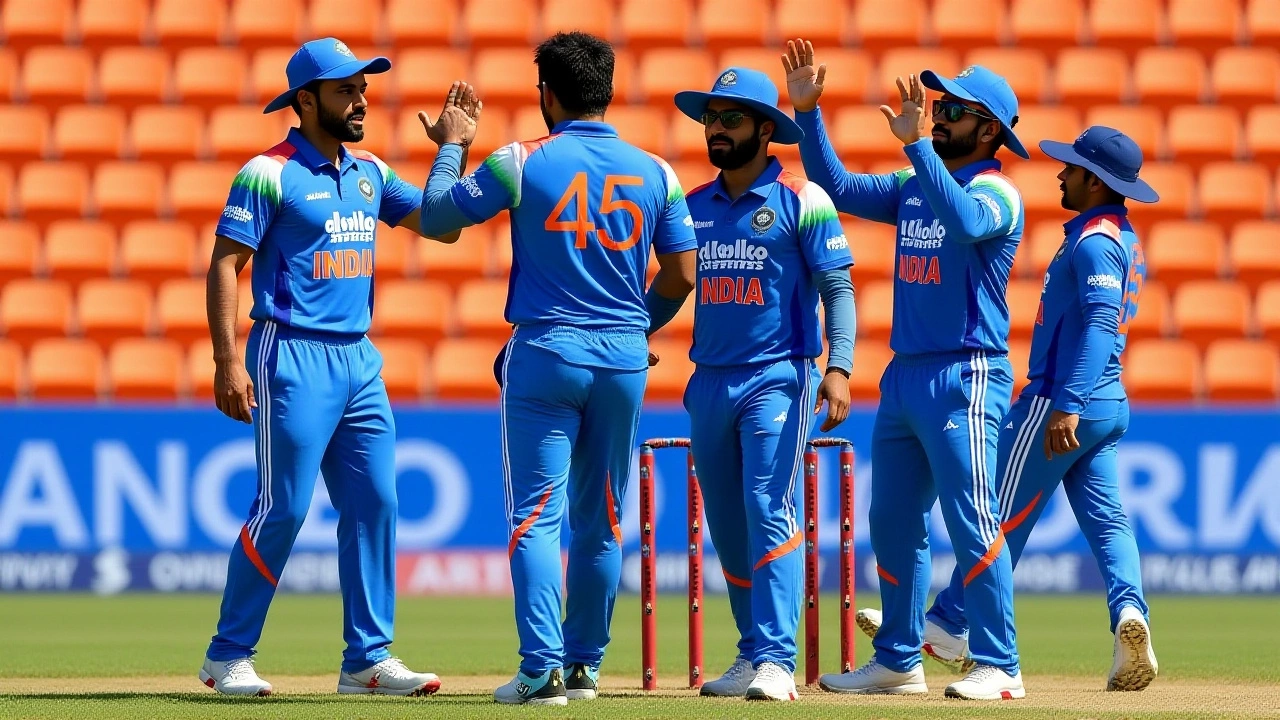
It was a double header of dominance for Indian cricket on June 17, 2026. While the senior team dismantled Afghanistan by a staggering 170 runs in Lucknow, their developmental counterpart, India A, secured a crucial 101-run victory over Afghanistan A in Dambulla, Sri Lanka.
The twin victories didn't just boost morale; they sent a clear message about the depth and firepower within the Indian setup. In Dambulla, India A booked their spot in the final of a tri-series tournament. Meanwhile, in Lucknow, the senior side took a commanding lead in the ongoing three-match ODI series against Afghanistan.
A Day of Dominance Across Two Venues
Here’s the thing: it’s rare to see such synchronized success across different tiers of the national setup on the same day. The confusion often arises because social media posts sometimes blur the lines between the 'A' teams and the senior squads. But the details are distinct, and both were significant.
In Dambulla, India A batted first and put up a formidable total of 319 runs for the loss of nine wickets. That score set the tone for the match. Afghanistan A simply couldn’t keep up, falling short by 101 runs. This win wasn't just about points; it was about securing a place in the final of the tri-series, a testament to the resilience of the younger players.
Turns out, the action in Lucknow was even more explosive. At the Bharat Ratna Shri Atal Bihari Vajpayee Ekana Cricket Stadium, the senior Indian team faced Afghanistan in the second ODI of their three-match series. The result? A comprehensive 170-run victory that left the Afghan side reeling.
Ishan Kishan’s Milestone Innings
If you’re looking for the star of the show in Lucknow, look no further than Ishan Kishan. He didn't just play well; he played with purpose. Kishan smashed a career-defining century, his second in ODIs, which came at a rapid fire rate.
But wait, there's more. This wasn't just any hundred. It was the innings where Kishan crossed the milestone of 1,000 ODI runs. He shared a vital century stand with Shubman Gill, laying the foundation for India’s massive total. Their partnership shifted the momentum entirely, putting Afghanistan under immense pressure from the outset of their chase.
The twist is how these two matches are being perceived. Some initial headlines asked, "Win in Dambulla before Lucknow?" highlighting the sequence of events. But really, it’s less about the timeline and more about the sheer scale of the wins. One was a gritty, strategic win in a multi-team tournament; the other was a flat-out demolition in a bilateral series.
Strategic Implications for Both Teams
For India, this dual victory serves multiple purposes. For the senior team, taking a 2-0 lead (assuming the first match was also won, or if this puts them firmly in control) in the ODI series means the pressure is now squarely on Afghanistan. They need to turn things around completely in the final game.
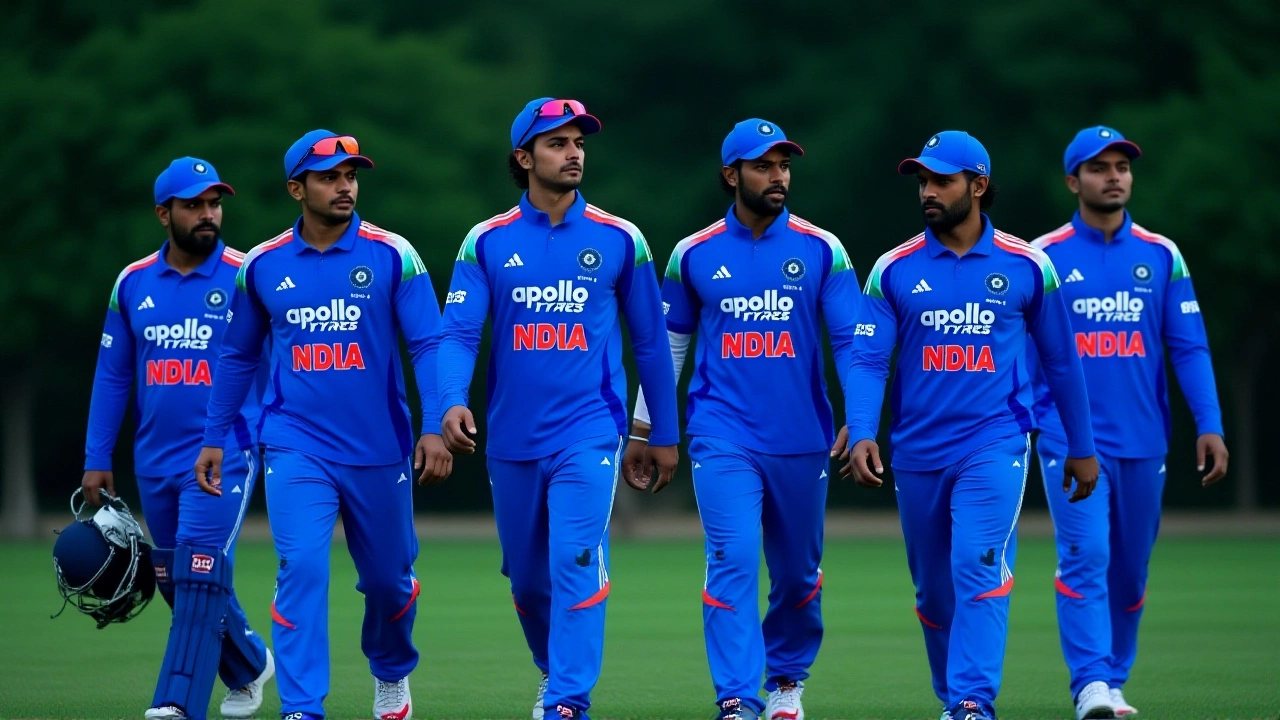
For India A, reaching the final in Dambulla provides invaluable experience. These tri-series tournaments are often breeding grounds for future stars. Players who perform here get noticed by the selection committee for the senior squad. The fact that they posted 319 runs shows they aren't afraid to attack.
Afghanistan, on the other hand, faces a tough question mark. Losing by such large margins on both fronts suggests issues with their batting lineup against quality pace and spin. The 170-run defeat in Lucknow, in particular, highlights a gap in run-scoring ability when facing a strong Indian bowling attack.
What’s Next?
All eyes now turn to the upcoming fixtures. In Dambulla, India A will look to convert their semi-final win into a trophy in the final. The identity of their opponent isn't specified in the immediate reports, but the focus remains on maintaining their high standards.
In Lucknow, the third and final ODI looms large. Afghanistan must dig deep to salvage some pride and avoid a whitewash. Can they find answers against an Indian side that seems to be peaking? Or will India complete the sweep? The details are still unclear regarding the exact date of the final ODI, but the anticipation is building.
Historically, India has dominated Afghanistan in home conditions. This series continues that trend, reinforcing India’s status as a powerhouse in limited-overs cricket. The performance of young talents like those in India A ensures that this dominance isn't just sustainable—it’s likely to grow stronger.
Frequently Asked Questions
Did India beat Afghanistan in both Dambulla and Lucknow on the same day?
Yes, on June 17, 2026, India achieved victories on two fronts. India A defeated Afghanistan A by 101 runs in Dambulla, Sri Lanka, while the senior Indian team beat Afghanistan by 170 runs in Lucknow, India. These were separate matches involving different squads.
Who was the standout player in the Lucknow ODI?
Ishan Kishan was the standout performer in Lucknow. He scored his second ODI century, crossing the milestone of 1,000 career ODI runs. His aggressive batting, along with a century partnership with Shubman Gill, helped India post a massive total.
What was the significance of the Dambulla match for India A?
The victory in Dambulla was crucial as it secured India A's place in the final of the tri-series tournament. By scoring 319/9 and winning by 101 runs, they demonstrated their competitive strength against Afghanistan A.
Where was the senior team's match against Afghanistan held?
The senior team's match was held at the Bharat Ratna Shri Atal Bihari Vajpayee Ekana Cricket Stadium in Lucknow, India. This was the second ODI of the three-match series between India and Afghanistan.
How does this affect the ODI series standings?
With this 170-run victory, India has taken a commanding position in the three-match ODI series. Afghanistan now faces the challenge of winning the final match to avoid a series defeat, having lost significantly in both recent encounters.